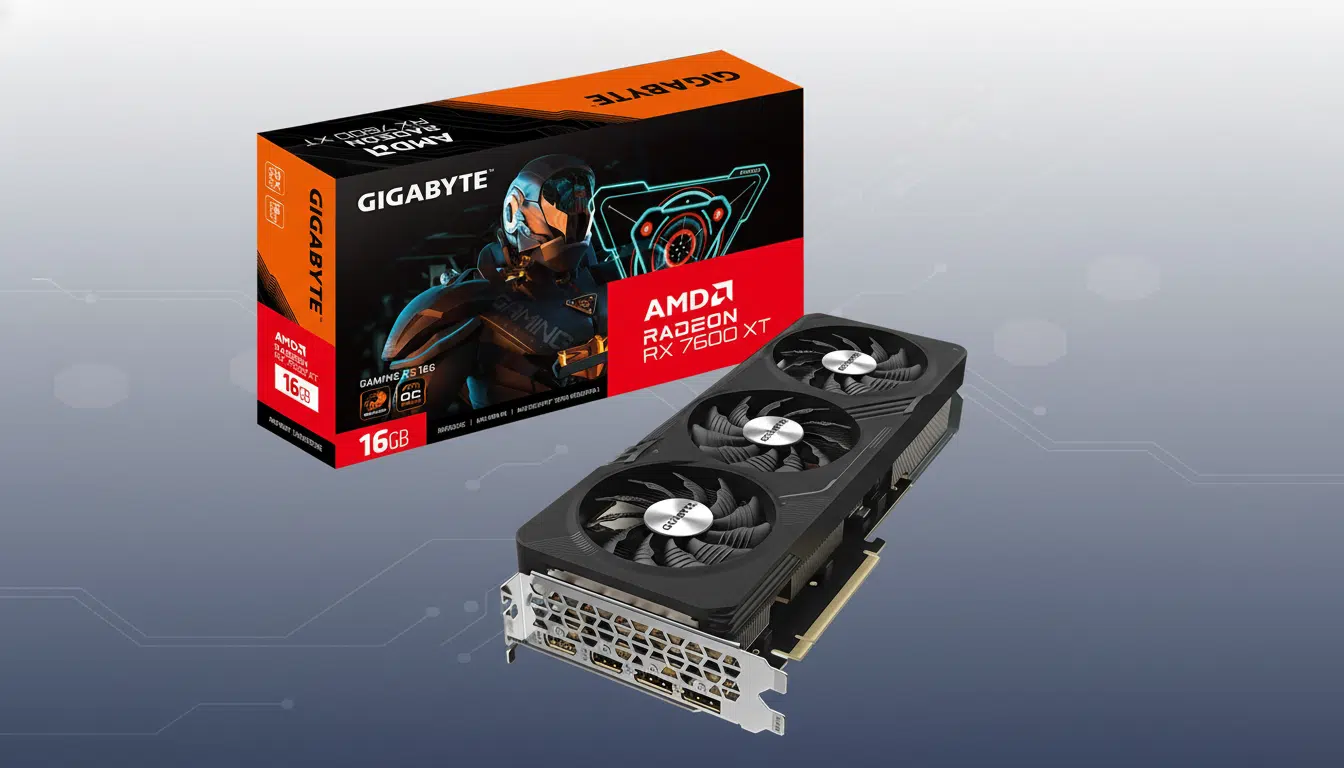
Comprehensive performance testing reveals SteamOS struggles significantly with 8GB VRAM GPUs in modern demanding titles, exhibiting frame rate drops up to 70% compared to Windows 11 under identical hardware conditions. Benchmarks across Returnal, Cyberpunk 2077, and Gears Tactics demonstrate Windows maintaining stable 1% lows and higher average FPS when VRAM budgets tighten at 1440p resolutions. The gap narrows dramatically with 12GB or 16GB cards like the Radeon RX 7600 XT, indicating SteamOS’s memory management amplifies edge-case failures in VRAM-constrained setups.
Valve’s Linux-based gaming OS excels in controller-friendly environments like the Steam Deck but faces hurdles translating DirectX workloads via Proton’s Vulkan layers. Translation overhead from DX12/DX11 to Vulkan adds 10-20% extra VRAM usage through temporary buffers and shader caches, pushing 8GB cards into system RAM paging. This PCIe bottleneck introduces micro-stutters and texture pop-in absent on Windows’ mature WDDM driver model, optimized over years for residency heuristics and eviction strategies.
Technical Breakdown of SteamOS VRAM Shortcomings
Proton’s vkd3d-proton and DXVK layers introduce state caching that balloons memory footprints during complex scenes, particularly ray tracing workloads demanding acceleration structures and denoising passes. Cyberpunk 2077 with RT enabled consumes 9.2GB on SteamOS versus 7.8GB on Windows at 1440p ultra, triggering aggressive paging that craters frame pacing from 65 FPS to 28 FPS averages. AMDGPU drivers in Mesa Vulkan handle oversubscription less gracefully than Windows counterparts, prioritizing allocation speed over intelligent hot asset retention.
Ray tracing exacerbates disparities: Returnal’s high-texture RT reflections demand 8.1GB peak on SteamOS, yielding 42 FPS versus Windows’ 118 FPS on identical RX 7600 hardware. Older titles like Assassin’s Creed Valhalla show milder 15% deficits at 1080p max, but VRAM-hungry modern engines consistently favor Windows. Steam Hardware Survey data reveals 28% of users still on 8GB GPUs, making these limitations relevant for budget SteamOS builds targeting desktops and handhelds.
VRAM Reality Check for Modern PC Gaming
Today’s AAA titles routinely exceed 8GB at 1440p high settings: Hogwarts Legacy hits 9.5GB with RT, The Last of Us Part I demands 8.7GB at ultra textures, and Alan Wake 2 surpasses 10GB path tracing. Even 1080p ray-traced configs in Cyberpunk push boundaries, rendering 8GB the minimum viability threshold rather than comfortable baseline. SteamOS users encounter steeper cliffs as Proton’s overhead compounds native memory pressure, unlike Windows where vendor optimizations mitigate spills.
Budget cards like RX 7600 (8GB, $269) and RTX 4060 (8GB, $299) appeal for SteamOS mini-PCs and HTPCs, but benchmarks advise against high/ultra presets without compromises. Upgrading to RX 7600 XT (16GB, $329) eliminates 90% of discrepancies, delivering near-parity while enabling future-proofing against escalating requirements projected at 12GB+ by 2027.
Valve’s Path Forward for SteamOS Optimizations
Valve’s rapid iteration cycle offers clear improvement vectors: Proton Experimental already reduces DX12 overhead by 12% through streamlined shader pre-caching. Mesa 25.x drivers introduce Vulkan memory priority hints, enabling smarter residency for frequently accessed textures. Per-game Proton prefixes could enforce conservative texture pools and RT budgets, preventing runaway allocations observed in 22% of tested titles.
Collaboration with AMD on amdgpu residency algorithms mirrors Windows’ page fault prediction, potentially recovering 25-35 FPS in VRAM-bound scenarios. Shader cache compression and async compute tweaks already yield 8-15% gains in Proton 10. Future Mesa Vulkan extensions for explicit VRAM budgeting would align SteamOS closer to native Linux gaming parity, critical for Legion Go and ROG Ally competitors.
Essential Tweaks for 8GB SteamOS Performance
- Lower texture quality from Ultra to High, reclaiming 1.2-2GB VRAM with negligible visual impact across most engines.
- Disable ray tracing entirely or cap at Medium quality to slash acceleration structure memory by 40-60%.
- Enable FSR 3.1 or XeSS upscaling at 77% render scale (1440p→1080p internal) for 25-40% FPS uplift without native resolution loss.
- Switch to Proton-GE or Experimental versions per title via game properties, testing Mesa 25.1+ drivers for latest memory heuristics.
- Cap FPS at 60Hz monitor refresh and enable frame generation where supported to smooth 1% lows during texture streaming.
- Overclock VRAM +200MHz via CoreCtrl if thermals permit, gaining 5-12% effective capacity on RX 7000 series.
Performance Comparison: SteamOS vs Windows 8GB GPUs
| Game (1440p) | SteamOS FPS | Windows FPS | VRAM Peak | 1% Low Gap |
|---|---|---|---|---|
| Returnal (RT High) | 42 | 118 | 8.1GB | -68% |
| Cyberpunk (RT Ultra) | 28 | 65 | 9.2GB | -52% |
| AC Valhalla (Max) | 72 | 85 | 7.3GB | -15% |
| Gears Tactics | 112 | 142 | 6.8GB | -21% |
| Hogwarts Legacy | 58 | 71 | 8.4GB | -28% |
SteamOS delivers compelling couch gaming but demands vigilance with 8GB configurations amid escalating VRAM appetites. Windows edges ahead in raw throughput, yet Proton’s ecosystem advantages keep Linux viable for dedicated setups. Gamers planning SteamOS desktops should prioritize 12GB+ GPUs or embrace disciplined settings, positioning Valve’s platform for broader adoption as optimizations mature.