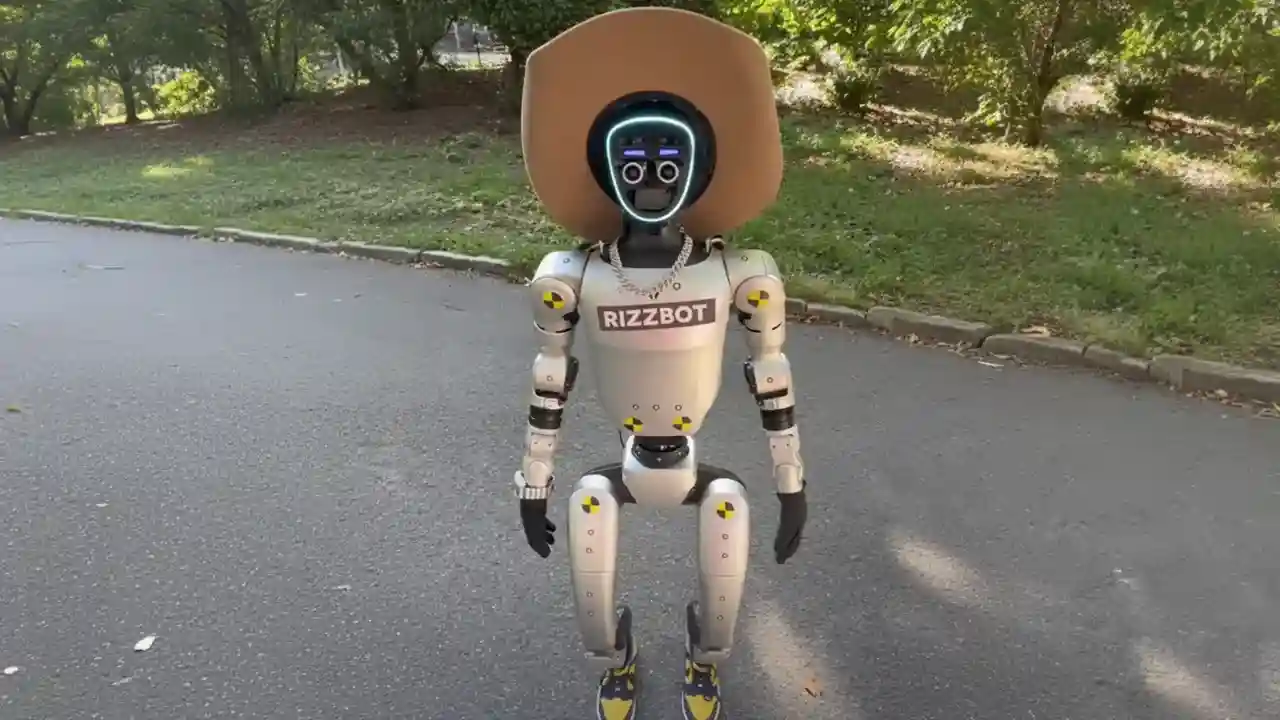
YouTube streamer IShowSpeed faces a lawsuit after a livestream encounter with Rizzbot—the humanoid robot famous for snarky roasts and viral antics—escalated into apparent violence that severely damaged the machine. Court documents detail punches, chokeholds, and rough handling that crippled Rizzbot’s internal electronics, leaving it with limited functionality and taking social media’s fastest-growing robotic personality offline. The incident spotlights emerging tensions where high-energy creator content collides with delicate, expensive robotics hardware.
Lawsuit Details and Extensive Robot Damages
Livestream footage captures IShowSpeed striking Rizzbot, applying a chokehold, slamming it onto a couch, and throwing it to the floor. Rizzbot’s owner filed for protection against abuse and harassment, claiming the robot suffered complete functionality loss including non-operational head cameras, dead sensor ports, and unstable mobility.
The petition seeks compensation for physical repairs plus lost bar revenue from Rizzbot’s performance absence. Attorneys note failed settlement talks with the streamer’s team, arguing IShowSpeed failed to act as a careful, reasonable operator. Pre-incident momentum was massive—600 million TikTok views and 200 million Instagram impressions in the prior month—yet 28 days passed without new content, slashing viewership over 70%.
Rizzbot’s Rise in the Creator Economy
Rizzbot exemplifies social robotics as full-fledged influencers securing brand deals and appearance fees. The lawsuit cites derailed opportunities like major network football show slots and a MrBeast collaboration—high-value gigs that multiply creator earnings through consistent attention and reliability.
Industry data from Influencer Marketing Hub and CreatorIQ shows payouts scale with algorithmic favor and output cadence. Production halts dismantle revenue pipelines and erode audience traction, turning viral stars into cautionary tales when hardware fails mid-momentum.
High Costs of Humanoid Robot Hardware
High-degree-of-freedom humanoid platforms demand six-figure investments. Sensors, actuators, and custom software inflate maintenance costs, with repairs often requiring factory recalibration and weeks-long component sourcing for commercial use. Such fragility clashes with livestream unpredictability, amplifying financial stakes beyond mere entertainment.
Legal Framework: Robots as Valuable Property
Robots lack legal personhood, treated as specialized equipment akin to camera rigs or production vehicles. Claims center on negligence, conversion, or trespass to chattels—interference with possession rights—with damages covering repair/replacement plus proven business losses like canceled gigs and traffic declines.
Brands exclude misuse from warranties, while creators implement safety protocols: on-set briefings, technical oversight, and documented stunt consents. These controls mitigate equipment risks as robotics integrate into content production pipelines.
Platform Policies vs. Livestream Chaos
Major platforms prohibit violence-glorifying or dangerous content. YouTube bans life-endangering material under community guidelines, though enforcement varies. Livestream spontaneity often conflicts with standards, particularly involving costly machines engineered for controlled demos rather than physical comedy.
The clash pits theatrical instincts against technical limits—delicate sensors, precision gears, and safety parameters ill-suited for brawls. As embodied AI enters creator spaces, aligning performance energy with hardware constraints becomes a financial imperative.
Future of the IShowSpeed-Rizzbot Legal Battle
Resolution likely turns on video evidence, robotics expert assessments, and revenue documentation during discovery. Many disputes settle post-repair estimates and financial records, though Rizzbot may require full rebuilds to restore on-camera charisma and audience rhythm.
IShowSpeed’s tens-of-millions following faces brand and fan scrutiny amid proceedings. The case warns the industry: entertainment crossing into embodied AI carries escalating costs—from fractured components to demolished viral momentum—reshaping how creators handle tomorrow’s robotic co-stars.