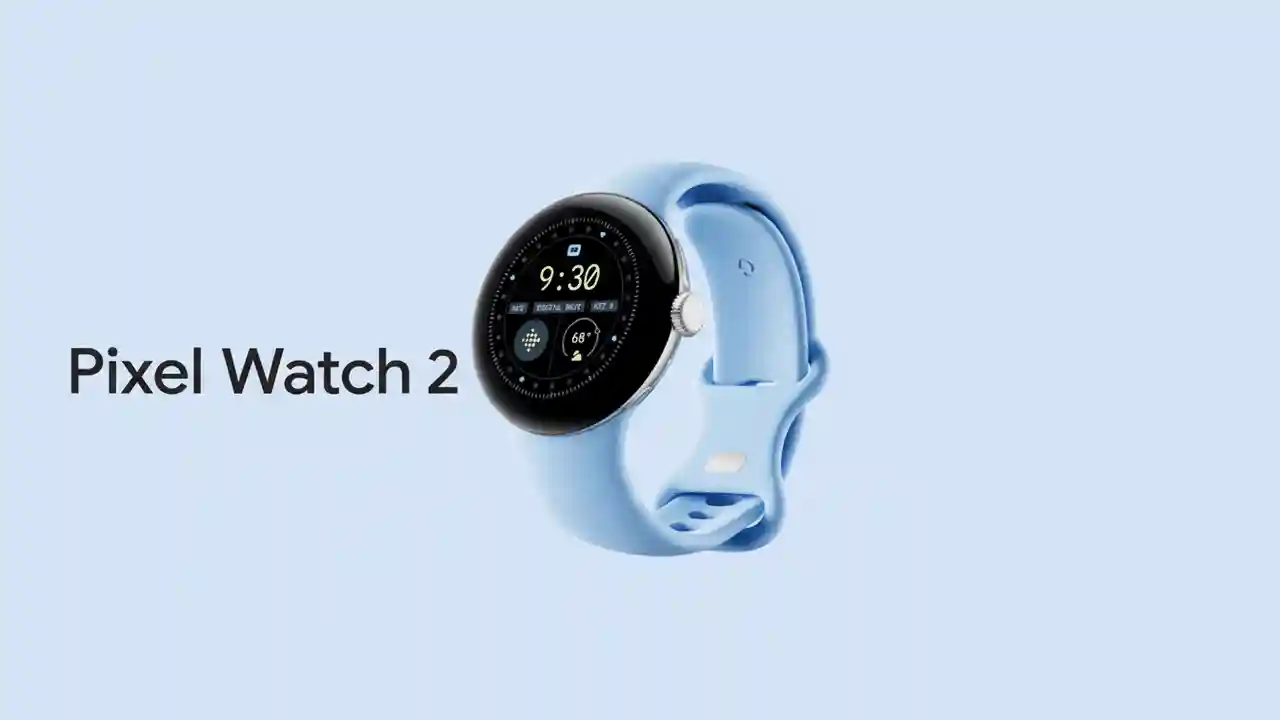
Google rolls out a smart quality-of-life upgrade for Pixel Watch users with Wear OS 6, keeping media playback controls and timer countdowns visible on the always-on display even in ambient mode. Previously fleeting buttons for play/pause, track progress, and timing now persist without blurring or fading, eliminating the need to wake the screen or tap sweaty fingers during workouts. This glanceable refinement transforms essential interactions from multi-step hassles into effortless checks.
Wear OS 6’s Always-On Control Revolution
Prior to this update, Pixel Watch displayed transparent media controls and Timer app interfaces briefly before transitioning to blurred, non-interactive states requiring full screen activation. The new implementation maintains these elements in a low-power ambient format alongside other glanceable data, preserving high-contrast readability without draining battery reserves.
Independent testers and tech reports confirm the change aligns with Wear OS 6’s broader glanceability push. System UI adapts seamlessly to ambient mode, prioritizing legible information delivery that matches user expectations while optimizing power efficiency across daily scenarios.
Daily Life Transformations for Fitness and Media
Micro-interactions define smartwatch value. Runners track sprint intervals without breaking stride, glancing at lap countdowns mid-workout. Cooks monitor multi-timer progress while stirring sauces, reading seconds from across the kitchen counter. Commuters skip podcast tracks or pause audiobooks with hands-free visibility.
User experience research consistently demonstrates that reducing interaction time by even one second boosts feature adoption and satisfaction rates. Fitness and media checks—performed dozens of times daily—benefit most from this frictionless access, turning occasional glances into habitual reliance.
Power Efficiency Behind Ambient Persistence
Pixel Watch’s Ambient Mode minimizes OLED burn-in risks through simplified graphics, reduced color palettes, restrained animations, and pixel shifting technology. Always-on displays employ ultra-low refresh rates where hardware supports, dramatically cutting power draw compared to full activations.
Persistent controls integrate into this efficient pipeline, consuming far less energy than repeated screen wakes throughout the day. Actual battery impact varies by brightness settings, workout tracking intensity, and notification frequency, but the net gain proves substantial for high-interaction users.
Seamless App Compatibility and Real-World Scenarios
System-level integration supports major apps including YouTube Music, Spotify, and podcast platforms without requiring individual developer implementations. Timer app visibility persists across use cases from interval training and Pomodoro sessions to kitchen multi-timers.
Runners maintain 400-meter pacing rhythm without display interaction. Commuters access paused audiobook controls hands-free. Kitchen counters display remaining cooking times readable from across rooms, eliminating unnecessary screen wakes during routine tasks.
Competitive Parity with Apple and Samsung
Apple Watch and Samsung Galaxy Watch long offered minimalist always-on states for active timers and media screens. Wear OS 6 brings Pixel Watch to feature parity while preserving distinct design language through watch faces and tiles. This refinement addresses a key market expectation where convenience consistently outperforms raw specifications.
Wear OS’s Broader Glanceable Future
Google’s longstanding emphasis on tiles, complications, and ambient-optimized watch faces finds new expression in application-level persistence. Developer guidelines have long advocated maintaining critical data points in low-power states—this update extends that philosophy to highest-frequency apps.
Users prioritizing maximum battery life can disable always-on display via settings, though persistent controls likely sway most toward keeping AOD active. Such targeted refinements elevate smartwatch intelligence without added complexity, solidifying Pixel Watch’s position in the competitive wearable landscape.