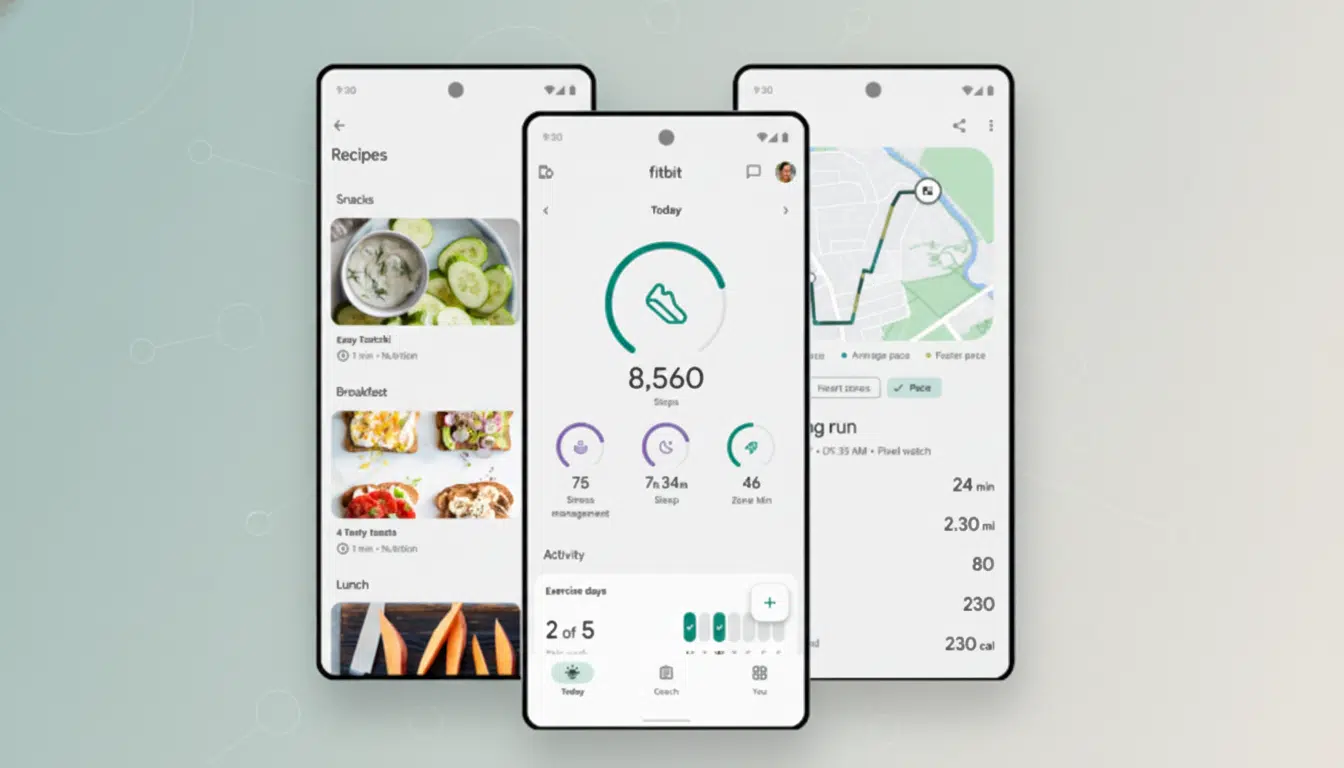
Fitbit is quietly developing an experimental feature designed to help users feel more relaxed and prepared ahead of stressful medical appointments. Internally called Plan for Care, this tool generates a personalized prep sheet based on your self-reported symptoms. It outlines potential explanations to discuss with your doctor and provides an urgency estimate—clearly emphasizing that it is not a diagnosis.
What Fitbit’s New Pre-Visit AI Feature Does
Code discovered in the latest Fitbit app reveals a project from Fitbit Labs, also referred to as Care Advocate or Pre-Visit Lab. The feature invites users to describe their symptoms and then offers informational examples of what these might indicate. It also assesses how urgently one might need to see a healthcare provider. From this input, it compiles a “prep sheet” that includes objectives, questions, and relevant medical history for users to bring to their appointments.
At this stage, the rollout appears limited: initial eligibility seems restricted to legal adults in the U.S., with state-specific age limits (e.g., 21 in Mississippi, 19 in Nebraska and Alabama, and 18 elsewhere). Fitbit labels the feature as investigational and research-only, cautioning that generative AI may produce errors and should not be relied on for self-diagnosis or treatment decisions.
Addressing Pre-Visit Anxiety
It’s common to experience anxiety before medical visits, and such nervousness can impair communication with clinicians. A recent study in the Journal of the Royal Society of Medicine found that patients often forget much of their doctor’s guidance and sometimes misremember critical details. Having a well-organized prep sheet helps patients clearly express their concerns, recall timelines more accurately, and ask more focused questions.
Additionally, there is the “white coat effect,” where some patients exhibit elevated blood pressure readings only in clinical settings. According to the American Heart Association, white coat hypertension affects 15% to 30% of patients with high office blood pressure. Although Fitbit’s tool isn’t a blood pressure monitor, anything that demystifies the appointment and instills a sense of control may help reduce stress, improving communication and sometimes even clinical measurements.
Evidence-based patient aids, such as question prompt lists, have been shown through multiple healthcare studies and Cochrane reviews to enhance patient engagement and information retention. Plan for Care extends this concept to consumer wearables, meeting users within platforms where they already monitor sleep, activity, and symptoms.
Privacy and Safety Considerations
Fitbit underscores strong privacy and safety measures for this experimental feature. It does not analyze your broader health history but relies solely on the symptoms you report.
Users are warned
that the information provided may be incomplete, outdated, or not clinically verified, and it is not intended for diagnosis or emergency treatment. Consulting a healthcare professional remains essential.
By positioning Plan for Care as a research tool, Fitbit avoids medical device regulations during development while establishing expectations for AI-driven language models. The feature’s recommendations aim to prompt proactive scheduling rather than replacing medical triage or judgment.
Practical Example Scenarios
For instance, a user might report two weeks of episodic chest tightness worsened by spicy foods and stress. Plan for Care could create a summary that highlights symptom patterns, suggests possible causes like acid reflux or cardiac issues, and advises prompt in-person evaluation if risk factors indicate urgency. The prep sheet might recommend bringing a symptom diary, medication lists, and questions about diagnostic tests.
In another case, a person suffering frequent migraines could use the tool to document triggers, past treatments, and visit goals, such as exploring preventive options. The output serves to facilitate a better-quality conversation with healthcare providers, not replace their expertise.
What’s Next for Fitbit’s Plan for Care
While Fitbit has not announced a launch timeline, references to savable visit histories and a “start conversation” process indicate plans for a seamless, ongoing experience rather than a one-off checklist. Given Google’s broader investment in health AI—including medical reasoning models—Plan for Care could rapidly evolve once real-world feedback is gathered.
If the pilot moves forward, expect cautious safeguards, adult-only access, and ongoing improvements guided by clinicians and users. Done well, this tool could help transform waiting room anxiety into a positive, empowering part of the healthcare visit.