Memory Prices Soar, Fueling Parcel Thefts
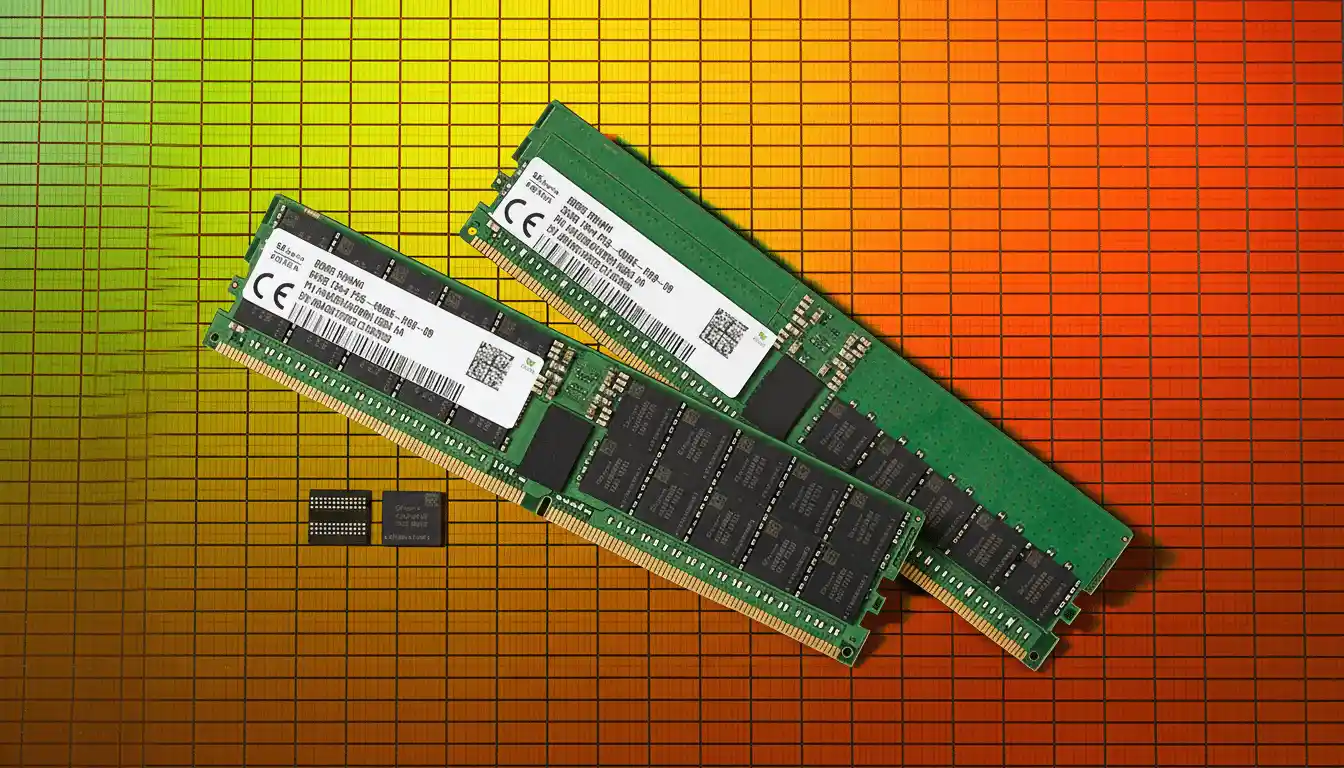
Skyrocketing DDR5 memory prices have turned ordinary shipments into highly sought-after targets for theft. Consumer DDR5 kits now commonly cost several times more than they did last year, attracting thieves both during delivery and within logistics chains. As a result, retailers and couriers are witnessing increased incidents of theft involving small, high-value computer components like RAM modules.
Theft Incidents Highlight Risks in Delivery
An incident in the U.K. brought this issue to light when a customer discovered a 32GB DDR5 SODIMM marked as delivered at 4 a.m.—signed for hundreds of miles away. The package never reached the intended recipient, sparking debates over whether it was misdelivered or stolen. Such cases underscore vulnerabilities in last-mile delivery, especially when signatures are illegible and scans occur during off-hours.
What Drives High Memory Prices?
AI’s rapid growth has reshaped memory demand and supply dynamics. Leading manufacturers like SK hynix, Samsung, and Micron have prioritized high-bandwidth memory (HBM) for AI accelerators and specialized DRAM for mobile and data centers, reducing DDR5 supply for desktops. This shift caused sustained double-digit price increases in DRAM contracts, translating to retail DDR5 kits that have tripled in price compared to past commodity levels.
The Appeal of RAM to Thieves
RAM’s compact size and high resale value make it particularly attractive to criminals. Unlike bulky CPUs or graphics cards that draw attention, RAM modules fit discreetly into bags, enabling thieves to snatch them unnoticed. This puts RAM alongside smartphones and professional cameras in the category of small, high-value items vulnerable to package theft, porch piracy, and internal logistics misappropriations.
Logistics Challenges Compounding the Issue
RAM often ships in padded mailers or slender boxes that can be resealed, heightening risks during package transfers, especially in cross-docking or handoffs between carriers. Irregular scans— particularly at night— complicate audit trails, making recovery difficult unless stringent proof-of-delivery protocols are enforced at every logistic stage.
Measures Retailers and Couriers Are Implementing
Merchants and carriers are adapting to mitigate theft risks. Some sellers now require signature-on-delivery and automatically redirect high-value orders to secure lockers or staffed pickup points. Marketplaces encourage tamper-evident seals and photographic evidence during drop-off, practices that have reduced claims in other premium categories. Carriers increasingly advise the use of neutral, unbranded packaging to avoid drawing attention to valuable contents. Meanwhile, industry bodies advocate for enhanced parcel tracking and scan transparency, especially during transfers between national and private services.
Best Practices for Buyers to Reduce Risk
- Request delivery with a signature requirement or secure pickup options like lockers or staffed counters.
- Ask sellers to ship RAM in plain packaging sealed with tamper-evident tape to deter targeted theft.
- Retain packaging and labels with serial numbers to support claims should issues arise.
- Closely monitor tracking details for unusual scans, delayed deliveries, or suspect delivery confirmations.
- Contact the seller and carrier immediately with GPS-verified proof if deliveries appear compromised.
- Consider paying extra for authorized or first-party sellers with stronger custody controls.
RAM: A Valuable Commodity Deserving Caution
With memory prices at elevated levels due to supply constraints and high demand, RAM shipments have become prime targets for theft and loss. Consumers and businesses alike should take preventive steps during purchasing and receiving to safeguard their investments and minimize the impact of parcel thefts. Until supply stabilizes and prices normalize, RAM modules will remain high-value items necessitating careful handling and awareness throughout the logistics chain.