Apple Declares Original iPhone SE Obsolete
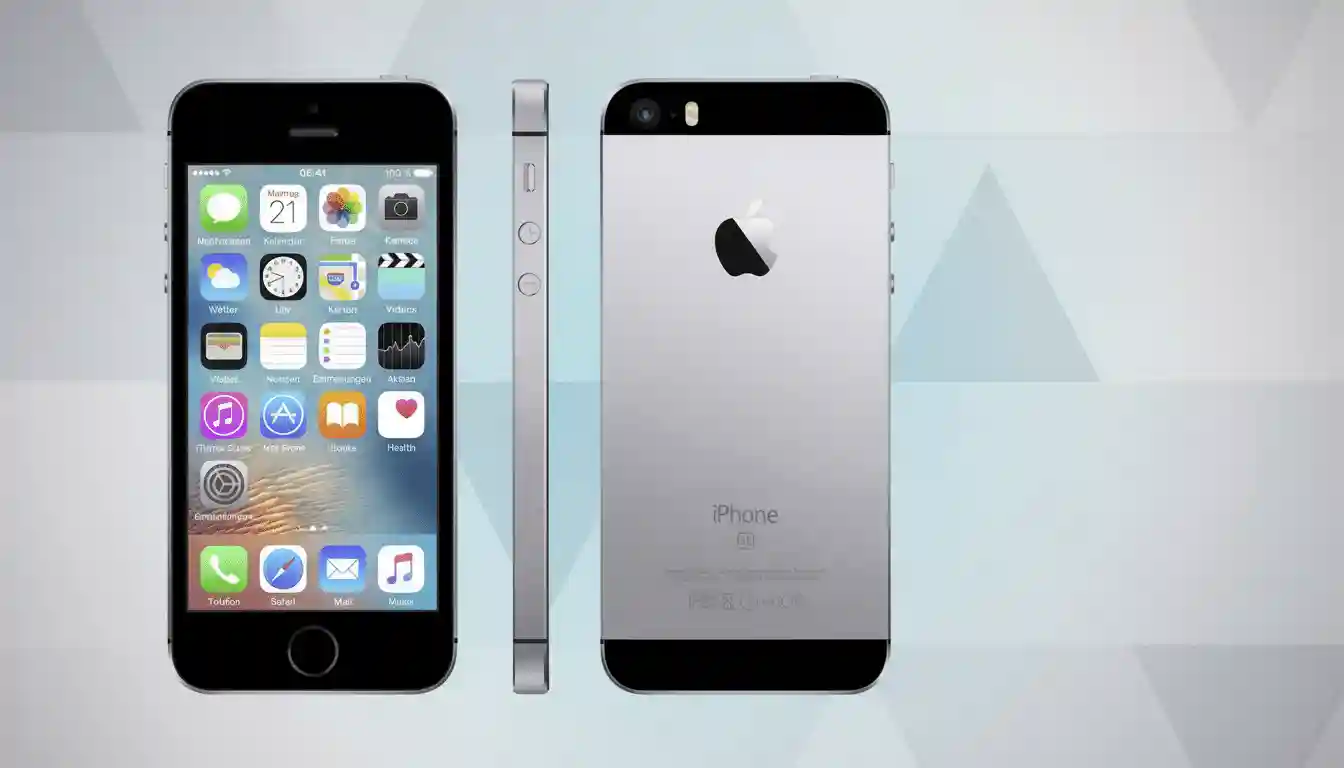
Apple has officially added the first-generation iPhone SE (2016) to its obsolete products list, terminating all security updates, official repairs, and hardware service through Apple Stores and Authorized Service Providers. This classification, detailed in updated support documentation, marks the end of company-backed support for the beloved 4-inch iPhone that combined flagship performance with compact design. Owners must now rely on independent repair options or consider upgrading to maintain functionality and security.
Understanding Apple’s Obsolete Product Policy
Apple categorizes products as “vintage” approximately five years after discontinuing sales, limiting service availability, then “obsolete” two years later when official parts and repairs cease entirely. The original iPhone SE, released in March 2016 and discontinued in 2018, followed this timeline precisely. Once obsolete, Apple no longer supplies components or tools to its repair network, eliminating sanctioned repair pathways worldwide.
Legacy and Impact of the First iPhone SE
The 2016 iPhone SE revived Apple’s compact phone legacy by packing A9 processor, 12MP rear camera, and Touch ID into a 4-inch body originally designed for iPhone 5s. Priced at $399, it appealed to small-phone enthusiasts, budget buyers, and users seeking flagship specs without larger screens. Remarkably, Apple supported the device with iOS updates through version 15.7.9 and security patches beyond major OS releases, extending usability far longer than typical industry standards.
Repair Options for Obsolete iPhone SE Owners
Independent repair shops offer viable alternatives using aftermarket or salvaged parts to restore core functionality. Common services include battery replacements, screen repairs, and charging port fixes, often at significantly lower costs than new devices. However, third-party components may disable features like True Tone display calibration, accurate battery health reporting, and certain camera optimizations due to Apple’s parts pairing requirements.
Practical Steps for Current iPhone SE Users
- Create comprehensive iCloud and local backups capturing all data, apps, and settings immediately.
- Check battery health in Settings to determine if replacement would extend usability significantly.
- Research reputable independent repair shops with verified customer reviews and transparent parts sourcing.
- Request detailed repair quotes specifying parts origin, warranty duration, and diagnostic procedures.
- Test device thoroughly post-repair to confirm all essential functions operate correctly.
- Evaluate total ownership costs against upgrading to modern alternatives with active support.
Upgrade Considerations and Market Realities
Trade-in values through official Apple channels approach zero for the original SE, but secondhand markets maintain surprising demand for pristine examples among collectors and niche users. The refurbished smartphone market grows at over 10% annually, driven by sustainability trends and value-conscious consumers. Modern alternatives like iPhone SE (2022) or iPhone 16 offer vastly superior cameras, 5G connectivity, longer software support, and enhanced security absent in the 2016 model.
Security Risks of Continued SE Usage
Without security patches, the iPhone SE faces escalating vulnerability risks from evolving threats. For secondary uses like children’s devices, media players, or travel backups, implement strict security measures including strong passcodes, trusted networks only, and avoidance of sensitive applications. Regular software updates remain impossible, gradually eroding protection against malware and zero-day exploits targeting unpatched iOS versions.
Broader Apple Product Retirement Wave
The iPhone SE joins other recently obsoleted products including early Apple Watch models, specific 11-inch MacBook Air configurations, 15-inch MacBook Pro variants, and second-generation AirPort base stations. Apple’s 2.2 billion active device base requires balancing long-term support commitments across iPhone, iPad, Mac, Watch, and accessory lines. While iPhones receive longer update cycles than many Android competitors, eventual obsolescence remains inevitable for all hardware.
Strategic Decisions for SE Loyalists
Owners valuing the SE’s compact form factor may extend usability through battery refresh from trusted independents, positioning it as a reliable secondary device. Those requiring daily-driver performance, modern connectivity, and ongoing security should prioritize upgrading. The original SE’s retirement symbolizes the end of Apple’s smallest modern iPhone era, reminding users that cherished designs eventually yield to technological progression and market evolution.