DeepSeek introduces two powerful new AI models, V3.2 and V3.2 Speciale, challenging ChatGPT’s dominance in daily assistance and complex reasoning tasks. V3.2 serves as a speedy text-first daily driver for drafting, summarizing, and code assistance, while Speciale targets advanced formal logic, mathematics, and multi-step planning. Both models feature unusually accessible pricing and open-source availability, making them attractive for developers and enterprises.
Core Capabilities of DeepSeek V3.2 Models
V3.2 excels in everyday AI tasks, naturally integrating tool use within its reasoning process to search, execute code, or perform calculations as needed. This embedded functionality enables seamless problem-solving without manual intervention. The model handles common workflows like email composition, document summarization, and spreadsheet guidance with sequential explanations.
V3.2 Speciale focuses on rigorous reasoning challenges, demonstrating Olympiad-level mathematical proficiency and strong performance across formal logic benchmarks. As open-source models, both allow easy embedding, auditing, and deployment on custom hardware, offering transparency absent in closed systems.
DeepSeek V3.2 vs. ChatGPT Comparison
| Feature | DeepSeek V3.2 | ChatGPT |
|---|---|---|
| Model Type | Open-source, text-first | Closed, multimodal |
| Tool Integration | Native reasoning + tools | External plugins |
| Strengths | Code, math, reasoning | Images, voice, documents |
| Deployment | Local/custom hardware | Cloud-only |
| Pricing | $0.42/M tokens (Speciale) | Premium subscriptions |
On leaderboards like LMSys Chatbot Arena, DeepSeek trails frontier models but remains competitive in coding and reasoning. Open models prioritize transparency and local deployment flexibility over minor quality gaps for many builders.
Benchmark Performance and Validation
DeepSeek claims V3.2 Speciale achieves top-tier results on GSM8K, MATH, and coding benchmarks, with mathematical capabilities rivaling International Mathematical Olympiad standards. Independent researchers caution against leaderboard contamination and overfitting risks, recommending combined static scores, blinded evaluations, and human preference testing for enterprise adoption.
Accessing DeepSeek V3.2 Models
- Non-developers: Use V3.2 via DeepSeek’s web chat interface or mobile app for everyday tasks.
- Developers: Access both models through API endpoints with free API key signup.
- For Speciale: Select the Speciale endpoint and define tool-calling instructions for search or calculations.
- Test within standard rate limits on web/app before committing to production API usage.
Pricing and Availability Details
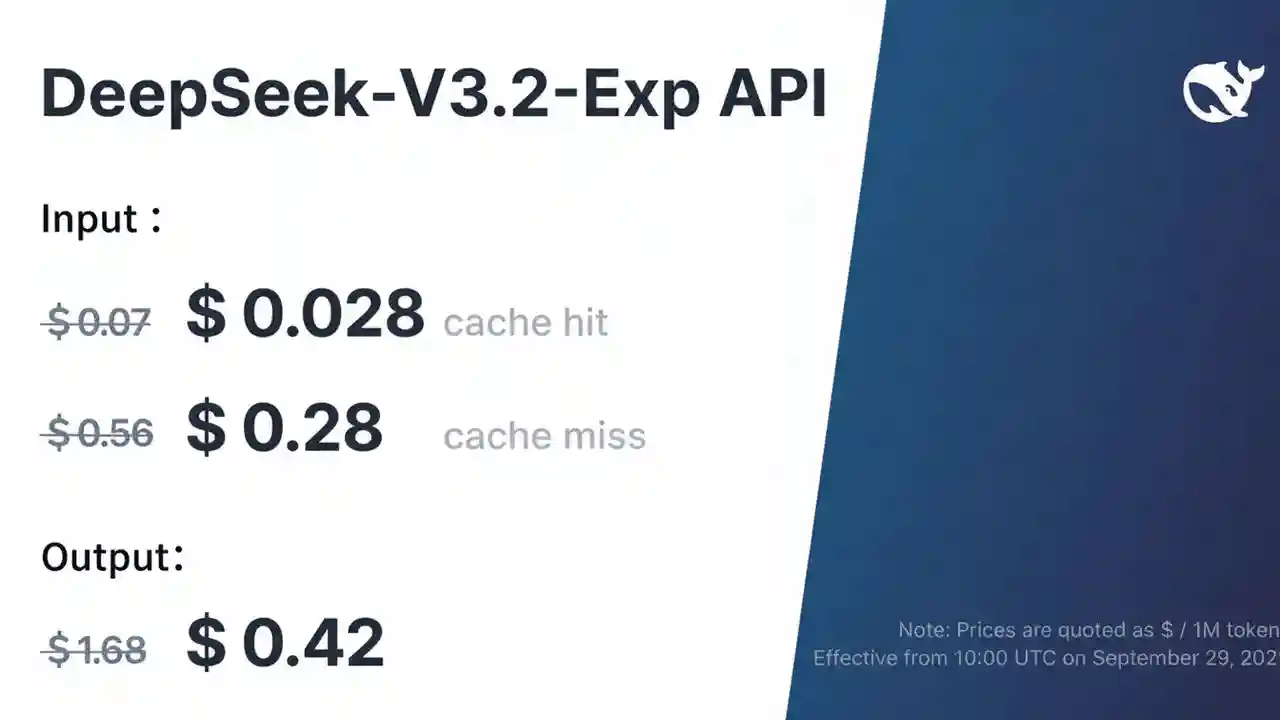
V3.2 offers free web and app access up to rate limits, with metered API for production. V3.2 Speciale prices at $0.42 per million tokens—significantly lower than comparable reasoning models from major vendors. This cost structure transforms economics for startups and research teams running extended reasoning chains.
Strengths and Limitations Analysis
Key advantages include open-source transparency, native tool integration, strong code/math performance, and enterprise-friendly pricing. The models suit on-premises deployments and custom tool-calling modifications. Limitations encompass text-only focus versus ChatGPT’s multimodal capabilities, fewer consumer features, and slightly lower leaderboard rankings against closed frontier systems.
Production teams must validate for hallucinations, implement privacy controls, establish data retention policies, and configure safety guardrails before deployment.
Choosing Between V3.2 Models
- Select V3.2 for general text tasks, daily assistance, and moderate reasoning needs.
- Choose V3.2 Speciale for math-intensive, logic-heavy, or multi-step planning workflows.
- Ideal for API-driven applications where cost and transparency outweigh multimodal features.
- Perfect complement to closed models in hybrid AI stacks requiring specialized reasoning.
Strategic Implications for AI Adoption
DeepSeek V3.2 models represent a compelling alternative for text and reasoning workloads, particularly where budget constraints and deployment flexibility matter. The aggressive pricing disrupts premium reasoning model economics while open-source access accelerates innovation and auditing. For math-heavy research, enterprise automation, and cost-sensitive deployments, these models deliver enterprise-grade capabilities at consumer pricing.
Teams evaluating AI options should test V3.2 alongside closed competitors to identify optimal stack combinations. The open model movement gains momentum as quality gaps narrow and customization advantages grow.