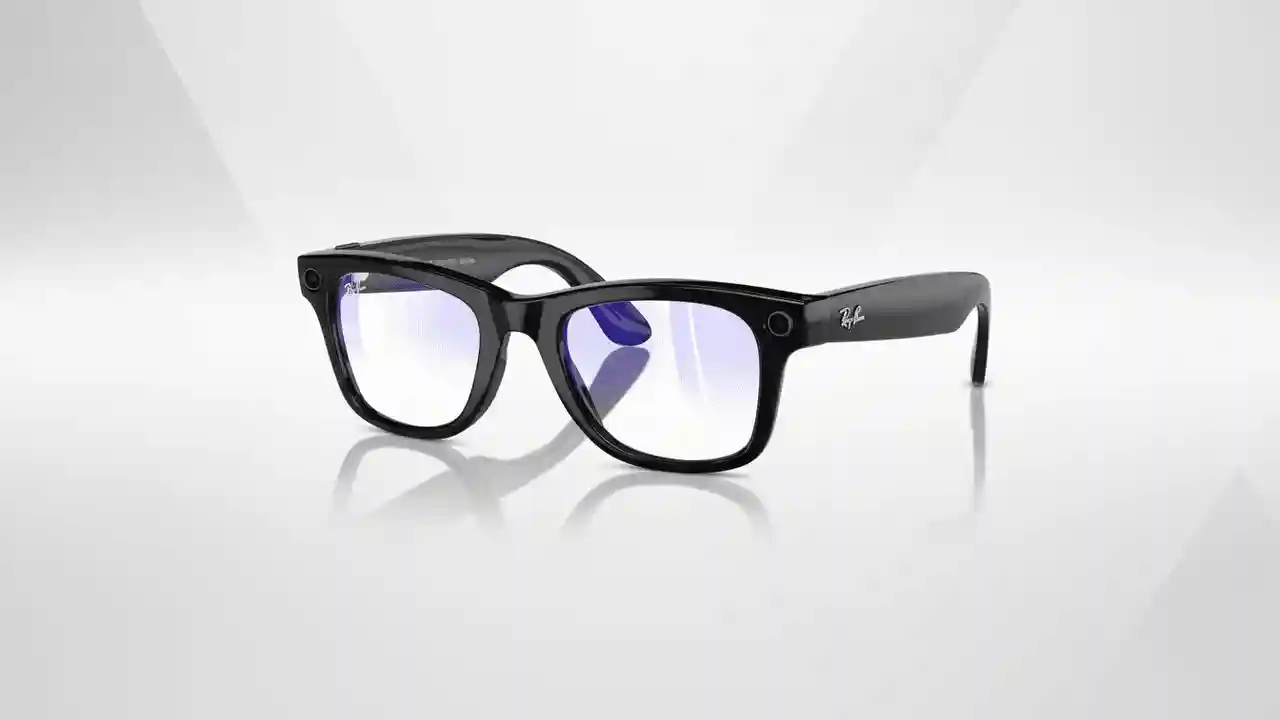
Meta pushes its next-generation mixed reality glasses, codenamed Phoenix, to the first half of 2027 at the earliest, abandoning a late-2026 target. Internal memos emphasize quality and sustainable viability over rushed launches, signaling deep challenges in delivering consumer-ready high-end wearables at scale. This shift underscores Meta’s pivot after billions invested in immersive tech, balancing premium ambitions with proven successes like Ray-Ban smart glasses.
Reasons Behind the Strategic Timeline Shift
Executives communicated the delay after key meetings where CEO Mark Zuckerberg stressed long-term business growth and superior user experiences. Project leaders Gabriel Aul and Ryan Cairns assured teams the extra time creates essential breathing room to perfect intricate details across hardware and software integration.
This extended roadmap positions Phoenix multiple cycles behind rivals, acknowledging needs for breakthrough comfort, optics, and battery endurance. Unlike Apple’s Vision Pro prototype or Meta’s volume-focused Quest line, Phoenix targets hours-long wearability, demanding refinements no current tech fully satisfies.
Phoenix Design: Compact Power with External Puck
Phoenix adopts a compact headset-like form factor rather than true eyewear, paired with an external puck-shaped battery pack akin to Vision Pro’s solution. This architecture offloads weight and heat from the head, enabling power-intensive features like advanced microdisplays and robust sensor arrays.
Mastering this setup proves extraordinarily complex. High-brightness micro-OLED panels require precise waveguide alignment, low-latency passthrough demands tight tolerances, and thermal management affects every aspect from field of view to all-day comfort. The 2027 horizon allows exhaustive iteration on weight distribution, optics clarity, and production scalability.
Financial Pressures Driving Cost Discipline
A 30% cut to metaverse spending follows years of heavy investment, with Reality Labs posting nearly $16 billion in 2023 operating losses despite Quest’s VR market dominance. Global AR/VR headset shipments hover in single-digit millions annually per IDC and Counterpoint data—respectable developer scale, yet dwarfed by smartphone volumes that justify premium hardware risks.
Supply constraints exacerbate challenges. Limited high-quality micro-OLED yields and complex lens assemblies directly impact device weight, brightness, and pricing. Delaying leverages anticipated component cost declines and efficiency gains from next-generation silicon, potentially unlocking enthusiast-to-mainstream pricing by launch.
Navigating Intense Competition and Supply Bottlenecks
Apple’s Vision Pro established mixed reality benchmarks while exposing category pain points: costly displays with yield issues and tethered battery ergonomics. Meta’s pragmatic long-view prioritizes ecosystem maturity—higher component yields, refined optics, and clearer cost structures essential for broad market penetration beyond early adopters.
Strategic Fit Within Meta’s Dual-Track Wearables
Phoenix bridges Meta’s portfolio: more immersive than Ray-Ban smart glasses for capture and AI assistance, yet pursuing all-day wearability unlike bulky Quest VR headsets. The delay enables intensified software advancements—multimodal AI, spatial computing frameworks, polished hand tracking, and robust developer tools that amplify hardware impact.
Ray-Ban success proves unobtrusive form factors drive daily adoption, informing Phoenix’s evolution toward background integration with rich mixed reality overlays. Strong content pipelines and OS maturity become as critical as physical refinements for launch success.
2027 Outlook: Patience as Competitive Edge
The next two years focus on hardware optimization, supply chain security, and cost containment within a nascent but expanding market. This industry-wide lesson favors polish over primacy—success hinges on delivering lighter, brighter, longer-lasting devices at accessible prices.
Quest and Ray-Ban receive continued platform support as Phoenix matures into Meta’s premium milestone. If executed effectively, this measured approach transforms delay into strategic advantage, positioning spatial computing for mainstream breakthrough rather than premature stumbles.