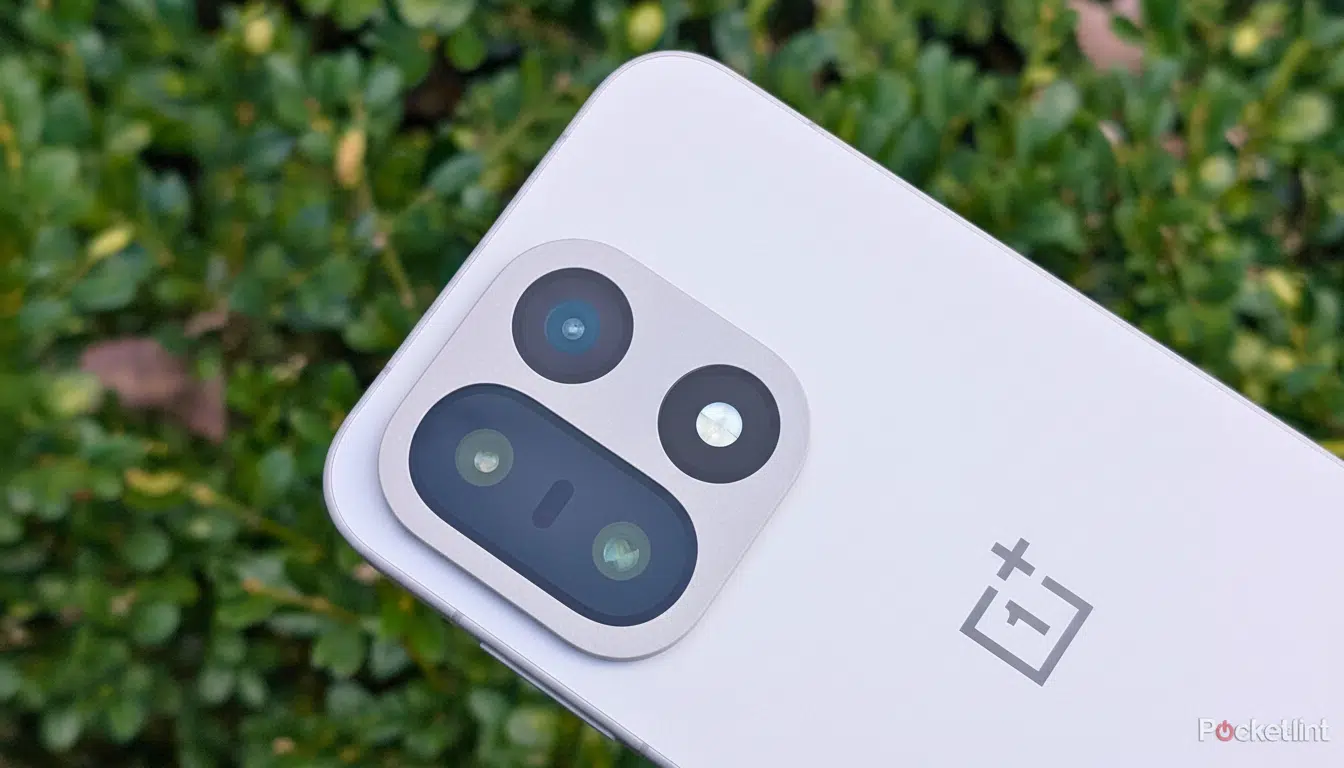
The upcoming OnePlus R series phone is shaping up to feel and look much like a flagship device. Official teasers from OnePlus China for the Ace 6T confirm flagship-level features such as a multi-standard IP rating and an ultrasonic fingerprint reader—technology previously seen in the OnePlus 15. If these features make their way into the international model, the OnePlus 15R could stand out as one of the most durable and secure devices in its segment.
Early signs are clear: OnePlus is bringing its premium flagship perks down to a more affordable tier, blurring the line between its flagship and performance-value phones without straying from its core “speed for less” philosophy.
Flagship-Level Protection Moves Downmarket
OnePlus China’s president, Li Jie Louis, set the narrative by confirming on Weibo that the Ace 6T boasts IP ratings of IP66, IP68, IP69, and even IP69K. These aren’t mere marketing buzzwords—they represent industry-standard protections defined by IEC 60529, and for IP69K, ISO 20653, which covers resistance to high-pressure, high-temperature water jets. In simple terms, this means the device is sealed against dust, can handle immersion, and withstand intense sprays of water from close range.
This comprehensive protection matches what the OnePlus 15 offers and significantly surpasses the OnePlus 13R’s IP65 rating, which only guards against light water jets and doesn’t protect against submersion or heavy pressure. IP69K is rarely seen outside rugged phones, so if the 15R adopts this level of sealing globally, it could redefine durability standards in the upper midrange category.
However, potential buyers should be aware that some brands ship the same hardware worldwide but only certify IP ratings for select markets—either to cut testing costs or due to regional priorities. Even if the 15R doesn’t officially bear these ratings internationally, its internal sealing might be the same as the Chinese Ace 6T. Official warranties and OnePlus’s confirmation will be key for consumer confidence.
Ultrasonic Biometric Technology Arrives on the R Line
The Ace 6T also introduces an ultrasonic in-display fingerprint sensor, a feature previously exclusive to high-end flagships like Samsung’s. Unlike optical sensors that capture 2D images of your finger and sometimes struggle under certain conditions, ultrasonic scanners use sound waves to create a detailed 3D map of the fingerprint ridges. This technology offers clear benefits: more reliable recognition with wet or oily fingers, fewer errors, and faster unlocking when optimized.
For the R series, which traditionally used optical sensors, this upgrade represents a significant improvement in user experience. It narrows the gap with the OnePlus 15 flagship without drastically increasing manufacturing costs associated with more complex camera modules or premium materials.
Performance and Charging Continue to Impress
Beyond durability and biometric enhancements, the Ace 6T’s specifications showcase a familiar OnePlus formula: Snapdragon 8 Gen 5 chipset, a 165Hz high-refresh-rate display, and 100W SuperVOOC wired charging. If the 15R mirrors this, it will be among the few non-gaming smartphones offering refresh rates beyond the typical 144Hz, technology usually reserved for niche gaming devices.
While the 165Hz refresh rate may not be utilized fully across all apps and content, it provides extra smoothness for fast-paced games and system animations. OnePlus’s 100W charging remains one of the fastest in real-world use, consistently delivering near half-hour full charges—outpacing much of the competition. Although these features may not be groundbreaking, combined with newfound durability and ultrasonic sensors, they contribute to a well-rounded performance package.
Strategy Behind the OnePlus R Series
Historically, OnePlus has used its China-first Ace line as a testing ground, later rebranding successful models for global markets under the R series. With the Ace 2 becoming the 11R and the Ace 3 transforming into the 12R, this pattern is expected to continue with the Ace 6T likely appearing as a global 15R or similar variant. Integrating flagship-grade waterproofing and ultrasonic biometrics reflects a strategic move to maintain market share in a fiercely competitive midrange segment.
This shift effectively raises the bar for competitors, who will need to elevate their offerings at lower price points as consumer expectations evolve.
The premium smartphone tier now accounts for roughly 24% of global sales. To stay competitive, brands must bring flagship features down-market. By transplanting durability and security—everyday benefits consumers truly notice—OnePlus signals a clear understanding of the future trajectory of midrange demand.
What to Expect for the OnePlus 15R Global Launch
Key questions remain: Will the 15R receive official IP certification worldwide? Can its ultrasonic fingerprint sensor match the speed and accuracy of top-tier rivals? And will OnePlus maintain competitive pricing despite the added cost of these premium protections?
If OnePlus successfully answers these, the 15R could become the go-to device for users seeking much of the OnePlus 15 flagship’s strengths—robust build, quick biometric unlocking, and fast charging—without the flagship price tag. On paper, this already promises to be the most complete and compelling device in the R series yet.