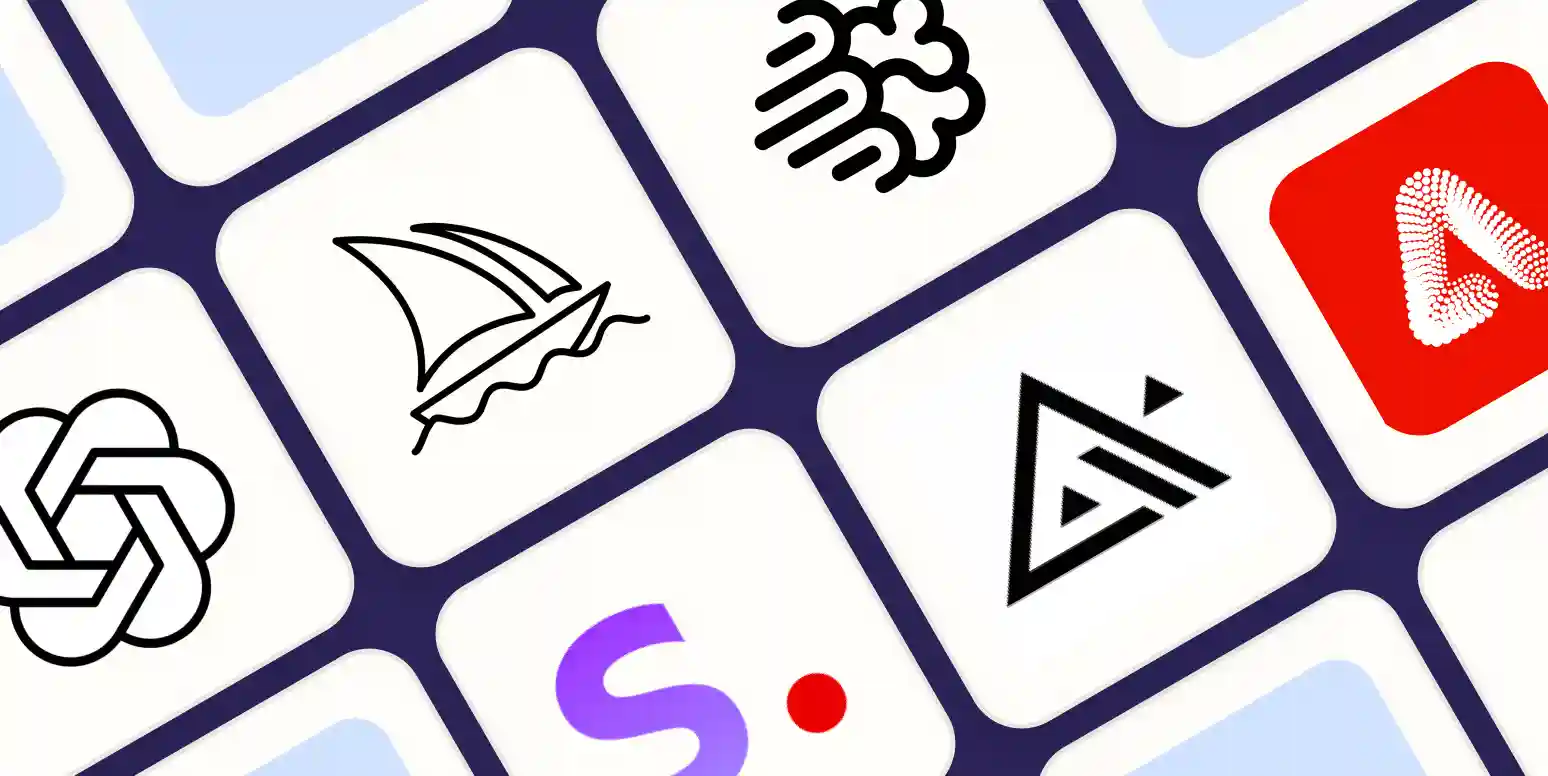
AI image generation has come a long way. What used to spit out blurry hands and unreadable text can now produce photos so realistic you’d have to look twice to tell they weren’t taken by a camera. In 2026, access to the technology isn’t the problem anymore, because everyone has it. The real question is which tool you should actually be using for what you’re trying to create.
If you’re not sure where to start, here’s a quick breakdown of the best AI image generators available right now.
1. Nano Banana Pro (Gemini 3)
One of the most common complaints about AI image generation is inconsistency, and that’s exactly where Nano Banana Pro stands out. It combines realism with consistency, meaning the same character will look the same across multiple generations without you having to fight for it. On top of that, it handles something most AI tools still struggle with: generating readable text inside images. That makes it especially useful for social media graphics, infographics, and any publication material where accuracy actually matters.
2. Adobe Firefly
Adobe Firefly lives inside Adobe Creative Cloud, alongside Photoshop and Illustrator. There’s no adjusting to a new platform or learning a separate tool. It just fits into the workflow you already have. For commercial work specifically, the fact that Adobe trains Firefly on licensed and public-domain content takes a lot of the copyright anxiety off the table for agencies and businesses.
3. Midjourney V7
If realism isn’t what you’re after and you want something creative, Midjourney is still the one to beat. The imagery it produces has a cinematic, imaginative quality that other AI generators can’t replicate. V7 sharpens the prompt understanding and pushes image quality further, all without losing the artistic identity.
4. OpenAI GPT-Image-1
GPT-Image-1 lives inside ChatGPT, which is where it wins on convenience. ChatGPT is already where most people brainstorm, refine, and work through ideas, so being able to handle illustrations, scenes, and visuals in the same place makes it a natural fit.
5. Stable Diffusion 3.5
Stable Diffusion isn’t the most beginner-friendly tool on this list, but it’s definitely worth it. But if you’re willing to put in the time, you get the most flexible AI image tool available. Run it locally, build out custom workflows, and tap into one of the largest communities of developers actively expanding what it can do. For advanced users who want full control over every output, nothing else on this list comes close.
6. Canva Magic Media
Canva has always had a way of making powerful things feel approachable, and Magic Media fits right into that. Generate an image, and it’s ready to drop straight into a presentation, social post, or marketing material, all without leaving the platform. It won’t win any awards for technical complexity, but if you’re just starting out, this is the most beginner-friendly option on the list.
7. Leonardo AI
Leonardo has built a reputation for strong prompt assistance, customizable models, and specialized tools for character creation and asset generation, making it a natural fit for game development and digital art. If you’re working in gaming or entertainment and need creative output, this is the one most people in those industries keep coming back to.
8. Ideogram
Text inside images is what Ideogram does best. Posters, ads, logos, social graphics, and actual readable typography are right in its wheelhouse. For the marketing industry that regularly needs to integrate text into visuals, this is a platform worth knowing about.
Which One Is Right for You
The best tool doesn’t exist because everyone is doing something different. What matters is finding the platform that fits your specific needs, whether that’s realism, creativity, flexibility, or text on image. Start with what makes your job easier and go from there.