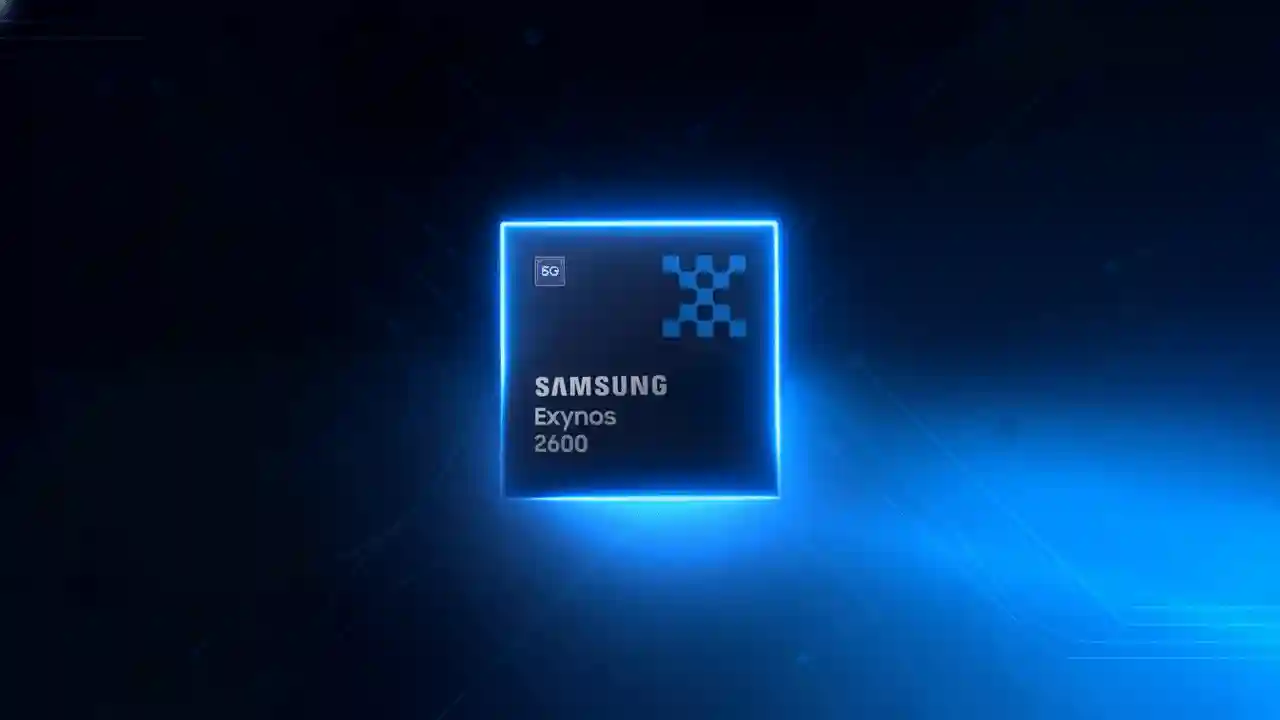
Samsung unveiled a dramatic teaser video confirming the Exynos 2600 chipset for upcoming Galaxy S26 smartphones, featuring retro synthwave aesthetics reminiscent of Stranger Things. The promotion emphasizes “refined at the core” and “optimized at every level” architecture, signaling strong confidence in the processor’s capabilities. This marks the clearest indication yet that the Galaxy S26 lineup will adopt Samsung’s homegrown silicon in multiple markets.
Exynos Deployment Strategy for Galaxy S26 Lineup
Samsung’s historical approach suggests the Galaxy S26 and S26 Plus will utilize Exynos 2600 processors across most global regions, while the S26 Ultra maintains exclusive Snapdragon deployment worldwide. This mirrors the Galaxy S24 strategy where Exynos powered European and Asian markets, reserving Qualcomm silicon for premium Ultra models and key territories like North America. The split strategy balances supply chain diversification with performance tiering.
Exynos 2600 Technical Architecture and Process Node
Industry analysis points to a 2nm-class manufacturing process leveraging Samsung Foundry’s gate-all-around transistor technology, promising substantial improvements in power efficiency and transistor density over current 3nm nodes. The chipset will incorporate latest-generation Arm CPU cores with enhanced multicore performance and next-generation Xclipse GPU co-developed with AMD. Samsung’s promotional timing aligns with early May announcements for flagship SoCs, with detailed specifications expected within weeks.
Performance Improvements and AI Acceleration Focus
Building on the Exynos 2400’s 70% multicore CPU gains and 14.7x AI performance leap, the 2600 targets superior sustained performance under thermal constraints critical for extended gaming, video processing, and camera operations. Advanced NPU capabilities will accelerate on-device generative AI functions including real-time photo editing, voice transcription, and multimodal content analysis without compromising battery efficiency. The architecture prioritizes balanced peak and endurance performance over raw benchmark scores.
Competitive Positioning Against Qualcomm Snapdragon
Qualcomm prepares Snapdragon 8 Elite Gen 5 with custom Oryon CPU cores and enhanced Adreno graphics, maintaining leadership in peak GPU throughput. Samsung counters with thermal efficiency advantages, enabling higher sustained frame rates during prolonged sessions. The 2nm process node’s projected power reductions position Exynos favorably for battery life and thermal stability, key differentiators for daily usage patterns beyond synthetic benchmarks.
Strategic Benefits of Samsung’s Dual-SoC Approach
Market research from Counterpoint and IDC highlights supply chain resilience and regional pricing flexibility enabled by the split strategy. Exynos deployment reduces dependency on external foundries while Snapdragon exclusivity preserves premium positioning for creators prioritizing GPU-intensive workflows. Real-world benefits manifest in extended battery duration, consistent camera processing speeds, and reliable gaming performance rather than transient benchmark leadership.
Marketing Strategy Behind the Synthwave Teaser
The cinematic Stranger Things-inspired promotion transcends technical preview, serving as sophisticated brand repositioning for Samsung’s semiconductor division. Historically overshadowed by Qualcomm dominance, Exynos gains mainstream visibility through viral pop culture references and atmospheric production values. The campaign establishes narrative parity, positioning Exynos 2600 as a co-flagship processor worthy of enthusiast attention across global markets.
Key Technical Specifications to Monitor
Upcoming announcements will clarify critical architecture details shaping Galaxy S26 performance:
CPU configuration with latest Arm Cortex-X cores and cluster optimization
NPU capabilities for low-precision inference and transformer acceleration
Xclipse GPU advancements including hardware ray tracing maturity
Modem support for 3GPP Release 18 5G-Advanced features and carrier aggregation
Memory subsystem with LPDDR5X speeds and UFS 4.0 storage compatibility
Expected Real-World Performance Gains
The 2nm process combined with architectural refinements promises transformative improvements in daily responsiveness, thermal management, and power efficiency. Users will experience faster application launches, smoother multitasking, and extended screen-on time during intensive workloads. Camera systems benefit from accelerated computational photography pipelines, while gaming delivers consistent frame rates without thermal throttling interruptions.
Market Impact and Launch Timeline
Formal Exynos 2600 specifications arrive within weeks, preceding Galaxy S26 production ramp-up targeting early 2026 availability. Samsung’s accelerated cadence reflects competitive pressures and manufacturing maturity. The chipset’s success hinges on delivering promised efficiency gains across diverse thermal environments and usage scenarios, solidifying Exynos resurgence against entrenched Qualcomm dominance.